
GUST - Chuťovej kanál
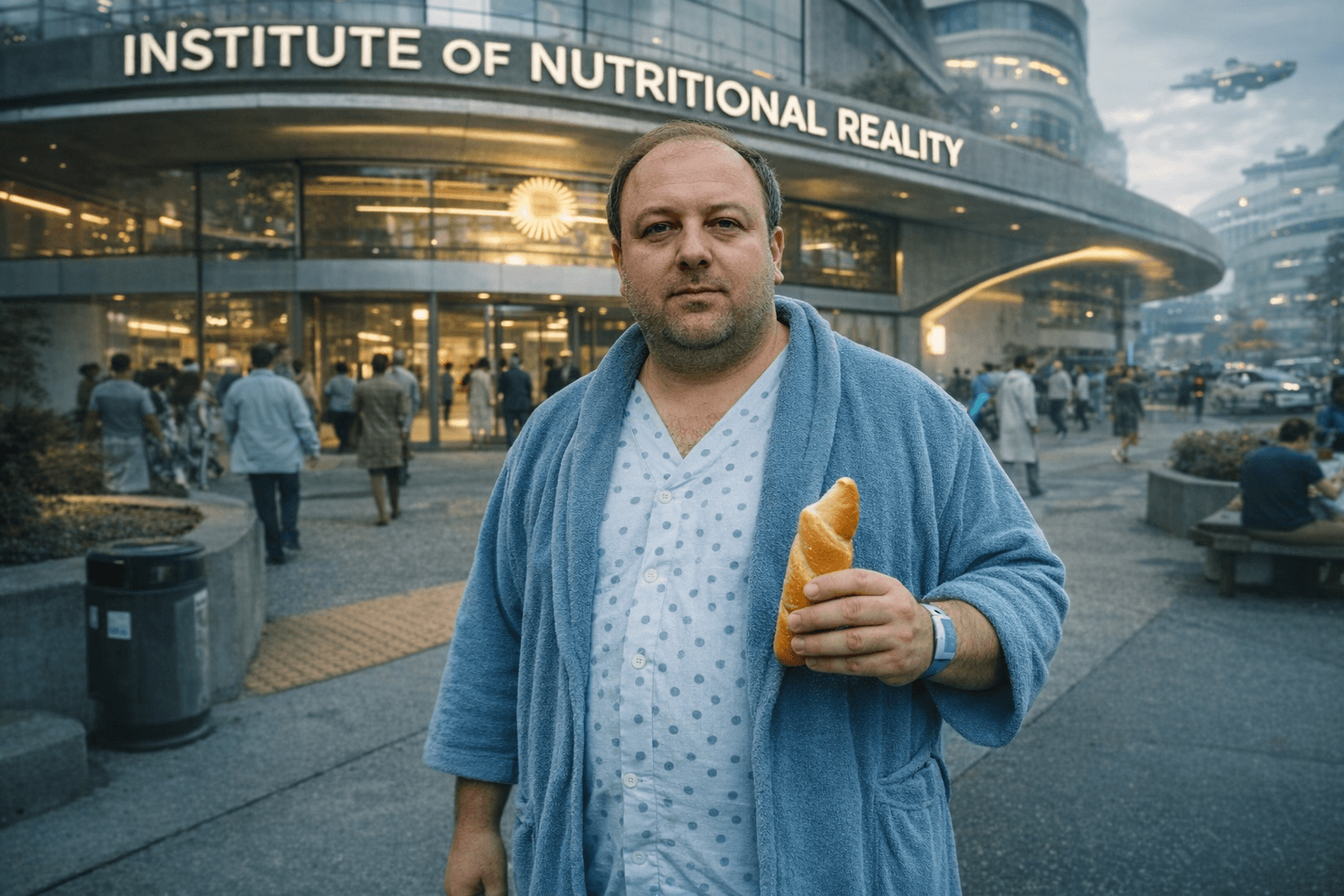
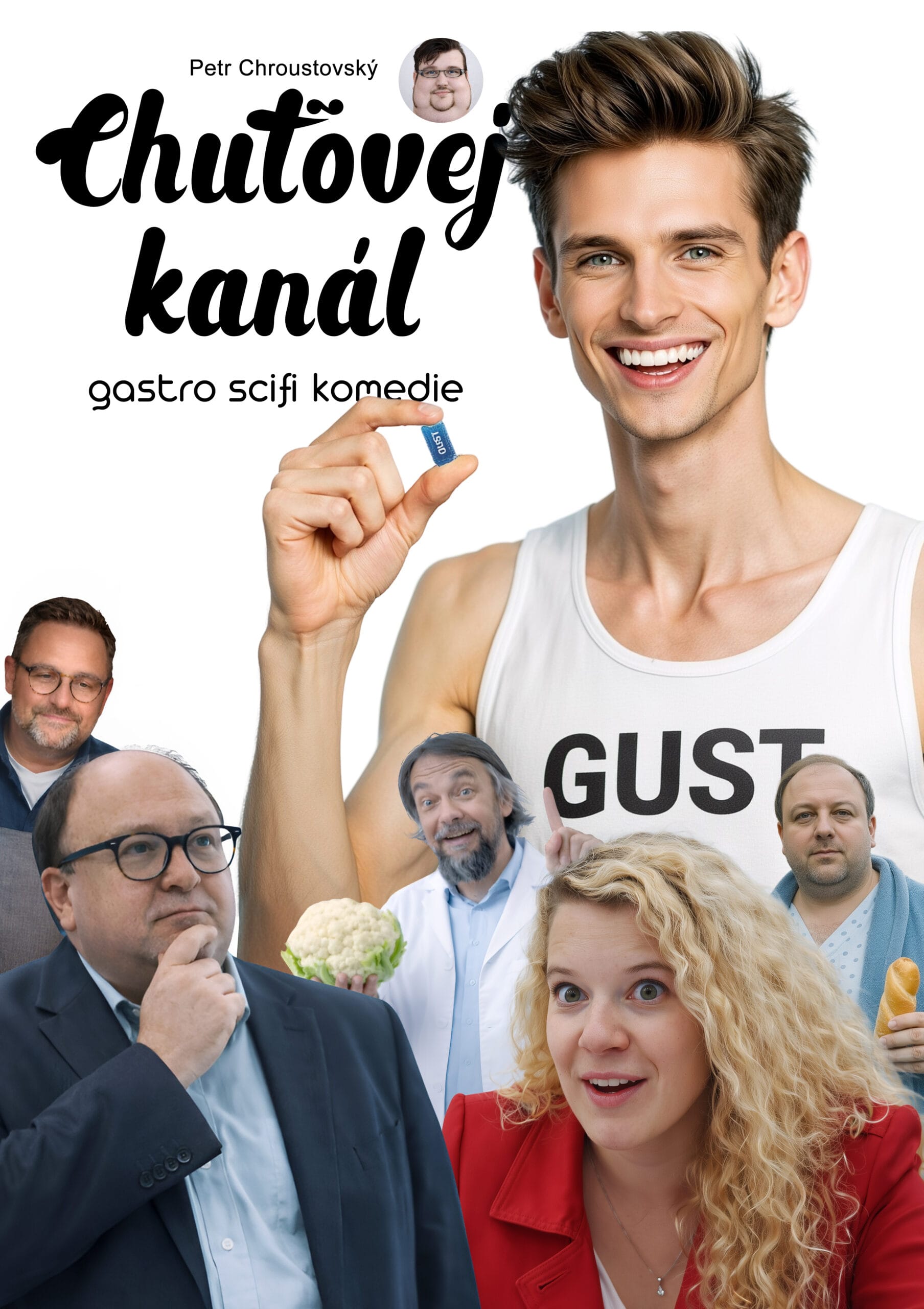
Chuťovej kanál je krátký satirický film - Sci-fi gastro komedie o světě, kde televize umí přenášet chuť – a lidé tak zjistí, že „jíst očima“ se dá dotáhnout do absurdních extrémů. Vaření v přímém přenosu chutná dokonale, jenže realita v puse často znamená kočičí konzervu, suchý rohlík nebo úplné nic.
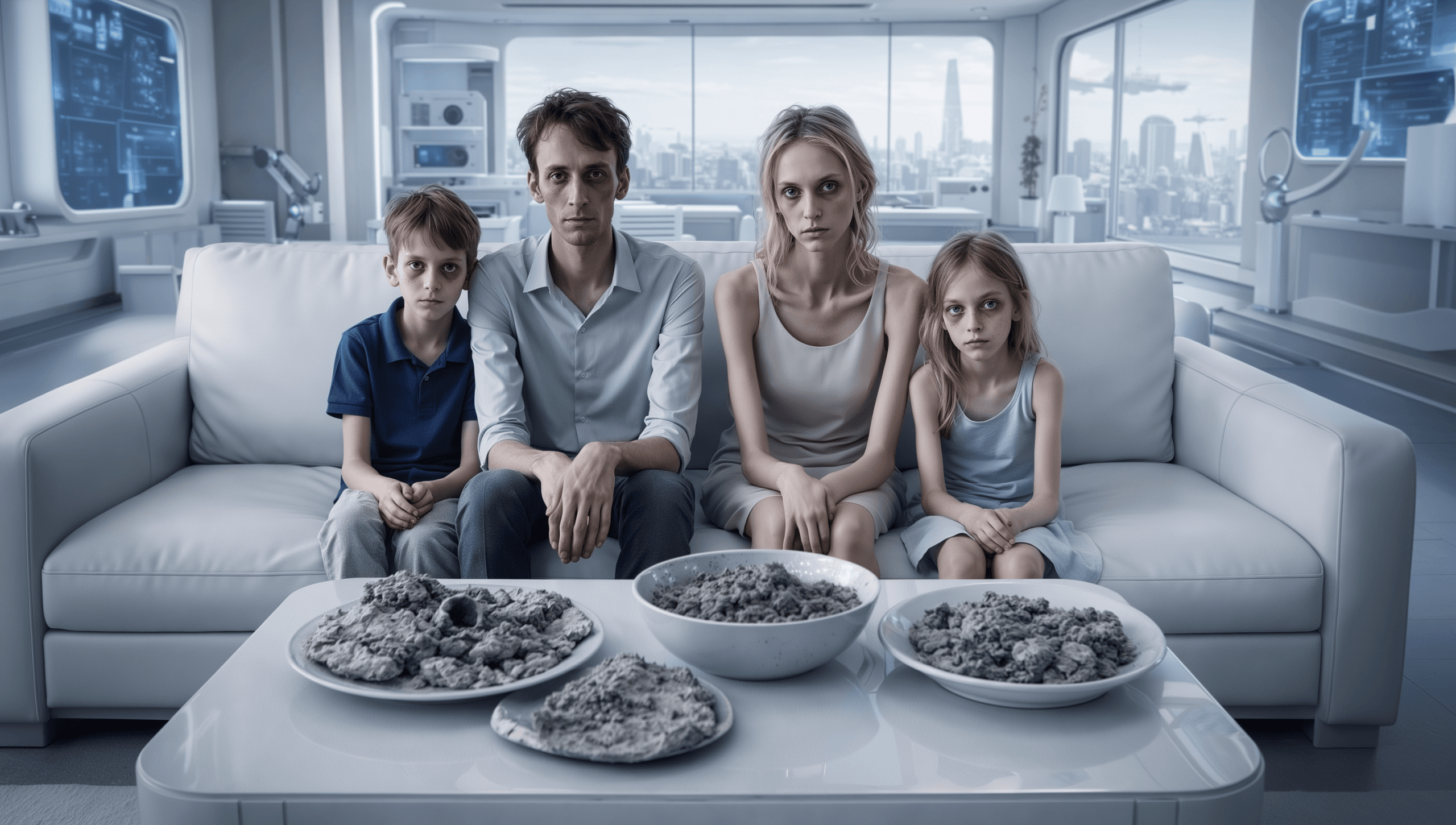
S příchodem chuťových čipů a žvýkaček bez kalorií se rozjede nová posedlost: požitek nekonečný, výživa nulová. Jenže tělo má pořád svoje potřeby – a tak vznikají diagnózy, léčby i bizarní trendy, které balancují mezi komikou a mrazivým uvědoměním, že žádný přenos nenahradí skutečné sousto.
4K
Stopáž: 5:55
Předpokládaná premiéra: 4.4.2026 Bio Central, Hrace Králové - Malý sál
GUST - Taste Channel
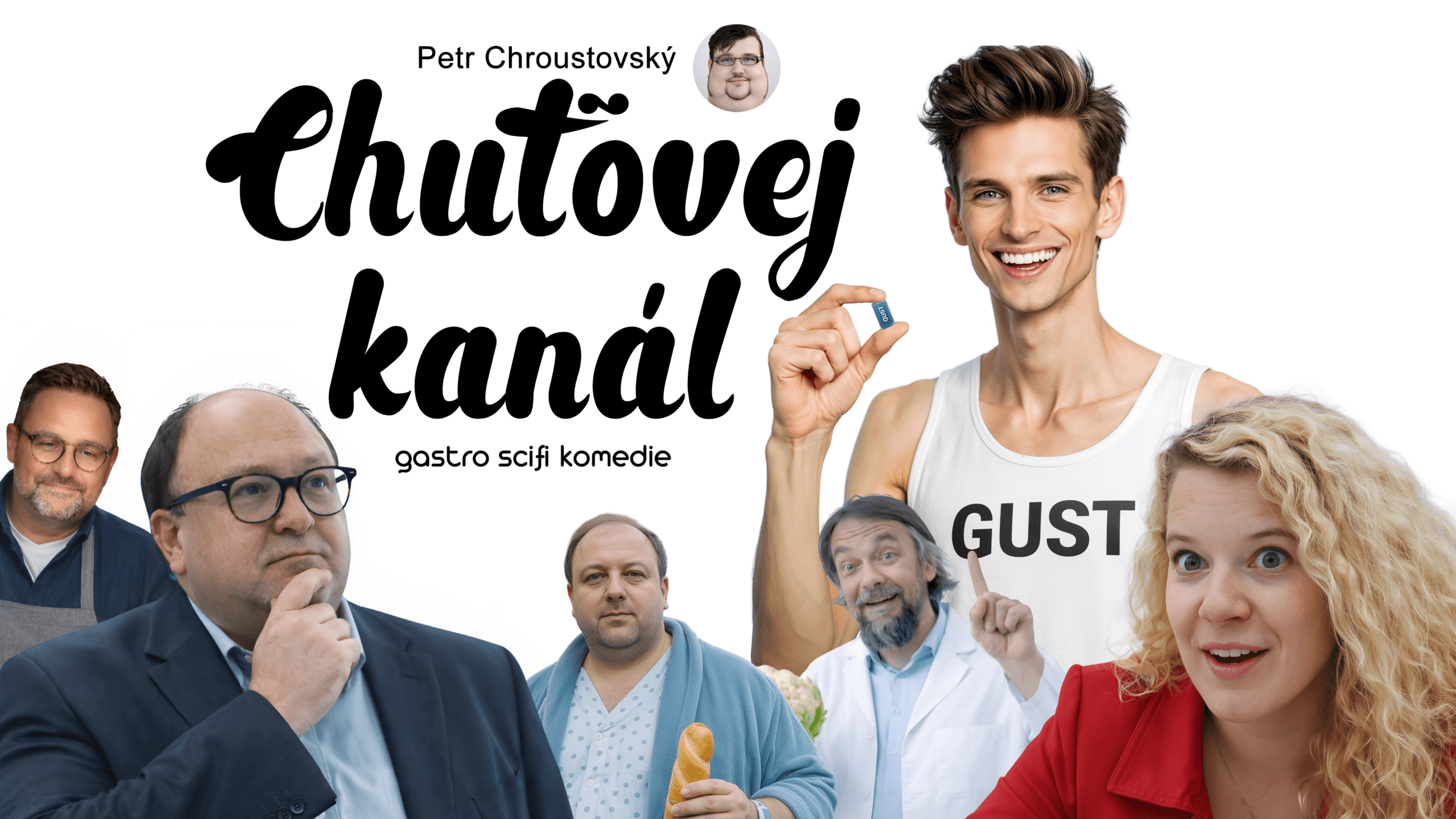
Taste Channel is a short satirical film — a sci-fi gastro comedy set in a world where television can transmit taste. People soon discover that “eating with your eyes” can be pushed to absurd extremes. Live cooking shows taste perfect, but the reality in your mouth is often cat food, a dry roll, or nothing at all.
With the arrival of taste chips and calorie-free chewing gums, a new obsession takes hold: endless pleasure, zero nutrition. But the body still has its needs — giving rise to new diagnoses, treatments, and bizarre trends that balance between comedy and a chilling realization that no transmission can ever replace a real bite.
4K
Running time: 5:55
Expected premiere: April 4, 2026 — Bio Central Cinema, Hradec Králové, Small Hall
Synopse | Synopsis
Chuťovej kanál (2026)
scifi gastro comedie
V blízké satirické budoucnosti umožní nová technologie jménem Gust televizi přenášet chuť. Tahle sci-fi gastro komedie sleduje svět, kde se lidé „najedí“ přímo z obrazovky bez kalorií a bez skutečného jídla, dokud jim tělo nepřipomene, že realitu sežvýkat nejde.
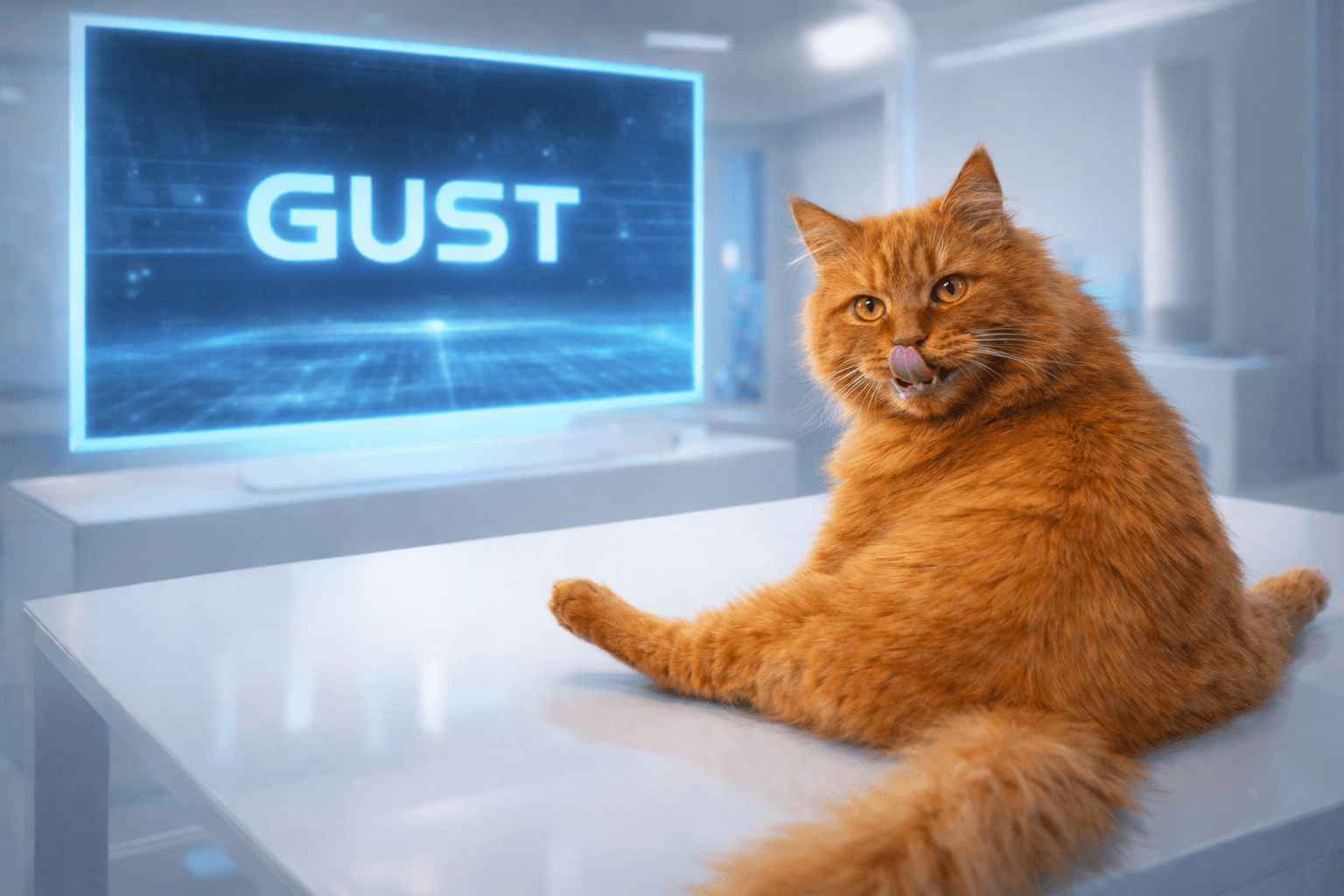
Chuťovej kanál (Taste Channel) je sci-fi gastro komedie z blízké budoucnosti, kdy televize udělá další krok v evoluci zábavy: vedle obrazu, zvuku a vůně zavede technologii Gust, která dokáže přenášet i chuť. V menu se objeví nenápadná šedá kolonka s varováním „Experimentální, nezkoušejte nalačno.“ Lidé to samozřejmě zkusí a svět se během pár týdnů převrátí.
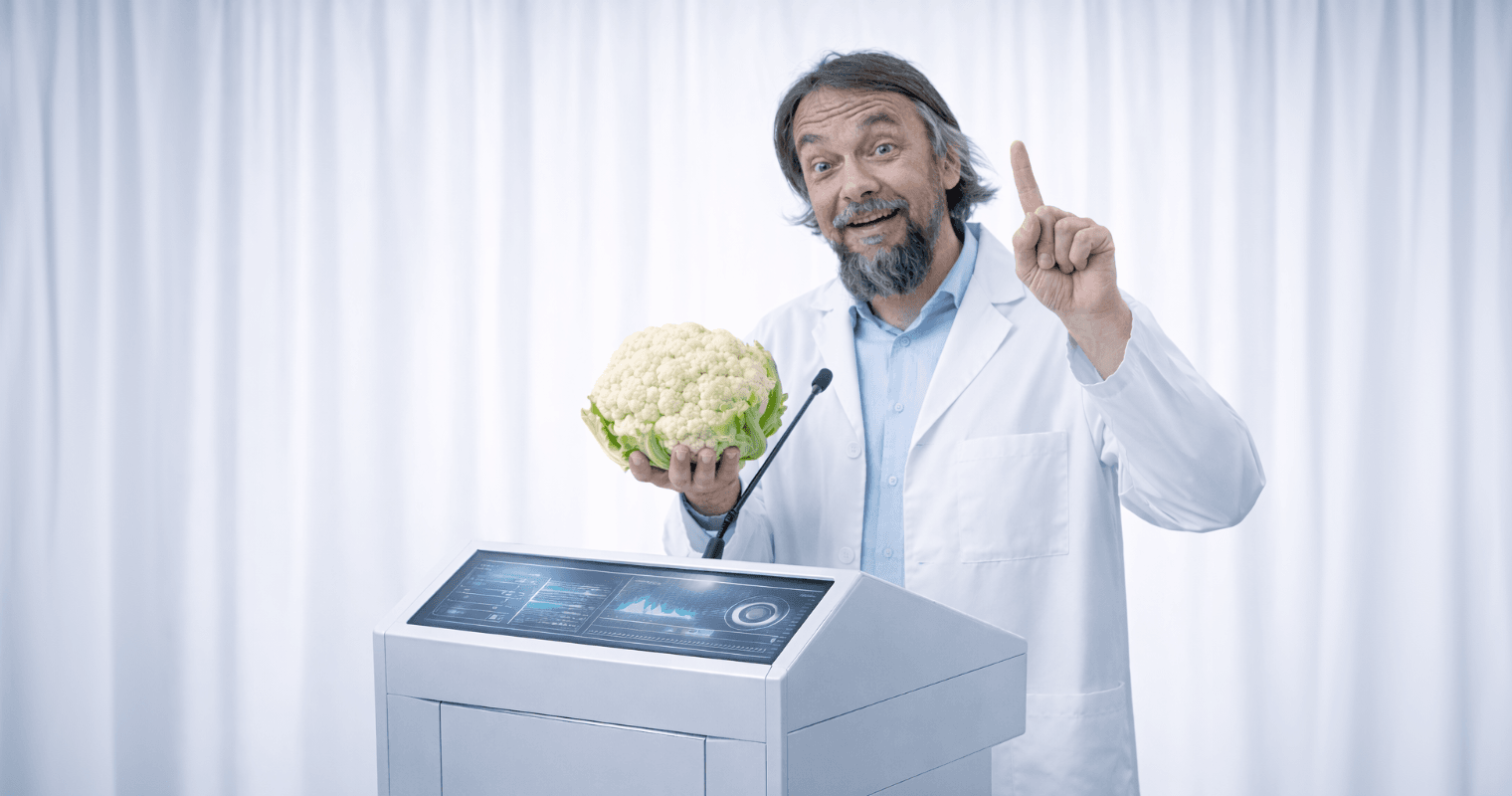
Z Gustu se nejdřív stane hračka pro foodblogery a nadšence, jenže chuť z obrazovky je až děsivě přesná. Pořady o vaření vystřelí na vrchol sledovanosti a společnost si rychle zvykne „večeřet“ hlavně očima: je jedno, co máte v puse, hlavně když běží správný přenos. V tomhle absurdním každodenním režimu se pohybují i Karel s Martinou, kteří si z nové módy dělají legraci, ale sami jí postupně propadají.
Gust se brzy přesune z obrazovek přímo do úst: přijdou chuťové čipy a žvýkačky bez kalorií, které slibují nekonečný požitek bez jediné porce. Reklamy i trendy se zblázní, odborníci vymýšlejí nové pojmy pro nový typ konzumu a lidé začnou experimentovat s čím dál šílenějšími kombinacemi toho, co vidí, a toho, co doopravdy žvýkají. Jenže čím víc se svět opájí dokonalou chutí, tím víc se v pozadí hromadí otázky, které se nedají přepnout jako kanál.
Taste Channel (2026)
scifi gastro comedy
In a near satirical future, a new technology called Gust allows television to transmit taste. This sci-fi gastro comedy follows a world where people eat straight from the screen with no calories and no real food until their bodies remind them that reality can’t be chewed.
Taste Channel is a sci-fi gastro comedy set in the near future, when television takes the next step in entertainment evolution: alongside image, sound, and aroma, it introduces Gust, a technology capable of transmitting taste. A subtle gray option appears in the menu with a warning: “Experimental. Do not try on an empty stomach.” Of course people try it, and within a few weeks the world turns upside down.
At first, Gust is just a toy for food bloggers and enthusiasts, but the taste coming from the screen is almost frighteningly precise. Cooking shows rocket to the top of the ratings, and society quickly gets used to “having dinner” mostly with their eyes: it doesn’t matter what’s in your mouth as long as the right broadcast is on. In this absurd everyday routine, Karel and Martina joke about the new craze, only to find themselves slowly falling for it too.
Soon, Gust moves from screens straight into mouths: taste chips and zero-calorie chewing gum arrive, promising endless pleasure without a single real meal. Ads and trends go crazy, experts coin new terms for a new kind of consumption, and people begin experimenting with increasingly outrageous combinations of what they watch and what they actually chew. But the more the world intoxicates itself with perfect taste, the more questions pile up in the background questions you can’t switch off like a channel.
Ze zákulisí
Nástroje: Kling, Stable Diffusion, RunwayML, Suno, ChatGPT, Eleven Labs, DaVinci Resolve, Adobe Photoshop
AI zásadně rozšířila moje produkční možnosti v několika vrstvách – od konceptu až po finální postprodukci – a umožnila mi dosáhnout výsledků, které by byly při tradičním workflow časově, finančně i technicky nedosažitelné.
V preprodukci jsem využil ChatGPT k rychlému iterování nápadů, struktury příběhu a vizuálních motivů. Tento proces by jinak vyžadoval delší kreativní cykly a více lidí.
Pro generování vizuálů jsem kombinoval Stable Diffusion a Kling AI, což mi umožnilo vytvářet komplexní scény, stylizace a sekvence bez potřeby fyzického natáčení, lokací nebo nákladné produkce. Díky tomu jsem mohl realizovat vizuálně náročné koncepty, které by jinak vyžadovaly velký štáb a rozpočet.
Animace a video transformace byly realizovány pomocí RunwayML, který umožnil plynulé přechody mezi statickými obrazy a dynamickými sekvencemi. Tím jsem dosáhl filmového vizuálu bez nutnosti pokročilého CGI pipeline.
Zvukovou složku jsem výrazně posílil díky Suno pro generování hudby a ElevenLabs pro voiceover. To mi umožnilo vytvořit plnohodnotný soundtrack a hlas bez potřeby nahrávacího studia nebo externích spolupracovníků.
Finální střih a postprodukci jsem provedl v DaVinci Resolve, kde jsem všechny AI výstupy sjednotil, doladil timing, grading a zvukový design.
Celkově AI fungovala jako multiplikátor schopností – umožnila mi jako jednotlivci zastat role celého produkčního týmu (scénárista, kameraman, VFX artist, hudebník i zvukař). Výsledkem je film s vysokou vizuální i zvukovou kvalitou, který by bez těchto nástrojů vyžadoval výrazně větší rozpočet, čas i lidské zdroje.
Behind the scene
Tools: Kling, Stable Diffusion, RunwayML, Suno, ChatGPT, Eleven Labs, DaVinci Resolve, Adobe Photoshop
AI fundamentally expanded my production capabilities across the entire pipeline—from concept development to final post-production—allowing me to achieve results that would have been unattainable in a traditional workflow in terms of time, cost, and technical complexity.
In pre-production, I used ChatGPT to rapidly iterate on ideas, narrative structure, and visual concepts. This significantly accelerated the creative process, which would otherwise require longer development cycles and additional collaborators.
For visual generation, I combined Stable Diffusion and Kling AI, enabling me to create complex scenes, stylized imagery, and cinematic sequences without the need for physical shooting, locations, or large-scale production resources. This made it possible to realize visually ambitious concepts that would typically demand a full crew and substantial budget.
Animation and video transformations were handled using RunwayML, which allowed me to seamlessly convert static visuals into dynamic footage and maintain visual continuity without building a traditional CGI pipeline.
On the audio side, I used Suno to generate the soundtrack and ElevenLabs for voiceover. This enabled me to produce a complete and coherent audio layer without relying on recording studios or external talent.
Finally, I edited and finalized the film in DaVinci Resolve, where I integrated all AI-generated assets, refined pacing, applied color grading, and completed the sound design.
Overall, AI acted as a force multiplier, allowing me to take on the roles of an entire production team—writer, director, VFX artist, composer, and sound designer—as a single creator. The result is a film with high visual and audio quality that would otherwise require significantly more resources, time, and personnel to produce.
Myšlenka
Můj krátký film se zabývá jednou z klíčových výzev lidstva: napětím mezi technologickým pokrokem a lidskou identitou.
Prostřednictvím stylizovaného, symbolického vyprávění zkoumá, jak rychle se vyvíjející technologie—zejména umělá inteligence—proměňují naše vnímání reality, vztahů i nás samotných. Film nepředstavuje technologii jako čistě pozitivní nebo negativní jev; soustředí se spíše na ambivalenci této proměny. Pokrok přináší bezprecedentní kreativní a kognitivní možnosti, ale zároveň otevírá otázky autenticity, emocionálního propojení a toho, co vlastně znamená zůstat člověkem ve stále více syntetickém světě.
Na hlubší rovině příběh odráží širší existenciální výzvu: jak se lidstvo dokáže přizpůsobit změnám, aniž by ztratilo své základní hodnoty. Vizuální jazyk—oscilující mezi organickými a umělými prvky—tento vnitřní konflikt zrcadlí a vyvolává zároveň fascinaci i neklid.
Film tak zdůrazňuje zásadní otázku současnosti: nikoli zda se technologie budou vyvíjet, ale jakým způsobem je začleníme do svých životů a zda si přitom dokážeme uchovat smysl, identitu a emocionální hloubku.
The idea
My short film explores one of humanity’s central challenges: the tension between technological progress and human identity.
Through a stylized, symbolic narrative, it examines how rapidly evolving technologies—especially artificial intelligence—reshape our perception of reality, relationships, and even ourselves. The film does not frame technology as purely positive or negative; instead, it focuses on the ambiguity of this transformation. Progress brings unprecedented creative and cognitive possibilities, but also raises questions about authenticity, emotional connection, and what it means to remain human in an increasingly synthetic world.
On a deeper level, the story reflects a broader existential challenge: how humanity adapts to change without losing its core values. The visual language—shifting between organic and artificial elements—mirrors this internal conflict, suggesting both fascination and unease.
Ultimately, the film highlights a key issue of our time: not whether technology will advance, but how we choose to integrate it into our lives, and whether we can maintain meaning, identity, and emotional depth in the process.